

Kabalistic Music
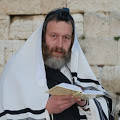 Rabbi David Azulai
Wisdom of Kabbalah & Mysticism Comments (1)
Exploring the Sacred Soundscapes of Jewish Mysticism
Kabalistic music is an esoteric and mystical aspect of Jewish spiritual practice that merges theology, symbolism, and sonic expression. Rooted in Kabbalah, the ancient Jewish mystical tradition, this form of music aims to elevate the soul, foster spiritual awakening, and serve as a conduit to divine realms. While its historical origins are complex and often shrouded in secrecy, Kabalistic music continues to influence Jewish spirituality, ritual, and thought today.
Origins of Kabalistic Music
Kabbalah, meaning “received tradition,” developed largely in medieval Spain and Provence, with significant contributions from mystical scholars like Isaac Luria in the 16th century. It emphasizes the mystical interpretation of Hebrew scriptures, divine emanations (Sefirot), and the spiritual universe.
Music in Kabbalah is not merely for entertainment but is considered a sacred tool to connect with God. The roots of Kabalistic music can be traced back to ancient Jewish liturgical practices, but it gained a more esoteric dimension in medieval Kabbalistic circles, where specific melodies and sounds were believed to unlock spiritual secrets.
Theological Foundations of Kabalistic Music
Kabalistic teachings assign profound significance to the sound and structure of music. According to Jewish mysticism, divine energy flows through the Sefirot ten emanations representing attributes of God. Specific melodies, known as Nigunim (wordless melodies), correspond to these divine channels, facilitating spiritual ascent.
The concept of Toning and Hearing is central; the vibrations created by musical notes are thought to resonate with divine frequencies. This alignment can purify the soul, elevate consciousness, and aid in prayer and meditation.
Characteristics of Kabalistic Music
Use of Nigunim: Melodies without words, often improvisational, that serve as a spiritual focus. These are believed to carry divine energy and facilitate a mystical connection.
Sacred Texts and Symbols: Kabalistic music often incorporates Hebrew letters, divine names, and symbols from the Kabbalistic tradition, believed to have inherent spiritual power.
Modal Systems and Tonalities: The musical modes and scales used in Kabalistic music are designed to evoke specific spiritual states. These are sometimes based on ancient Jewish musical scales.
Intention and Mindset: The spiritual efficacy of Kabalistic music lies not just in the notes but also in the intention (Kavanah) of the performer and listener. Concentration on divine attributes during music enhances its spiritual potency.
Practices and Rituals
Kabalistic music is employed in various Jewish rituals, especially during Kabbalat Shabbat (welcoming Sabbath), certain holidays, and mystical ceremonies. It is often performed by Chassidic communities, who regard music as a vital part of their spiritual life.
In private or small group settings, practitioners might meditate on divine names, chant sacred melodies, or engage in improvisational singing, all aimed at spiritual elevation. Some have also developed personalized melodies as a means of connecting with specific divine attributes or to seek healing and protection.
Historical Figures and Influence
Prominent figures like Rabbi Abraham Abulafia and Rabbi Isaac Luria emphasized the spiritual power of sound and music. Their teachings inspired the development of Nigunim and other musical forms in Hasidic and Kabbalistic traditions.
In the modern era, figures such as Rabbi Aryeh Kaplan have sought to synthesize mystical ideals with contemporary musical expression, creating recordings and compositions rooted in Kabbalistic concepts.
Kabalistic Music Today
Today, Kabalistic music maintains its place within Jewish spiritual practice but also intersects with broader musical and psychological research. Many musicians and spiritual teachers incorporate Kabbalistic themes into their compositions, aiming to inspire spiritual awareness and healing.
Some modern artists create genre-blending works, combining traditional Nigunim with contemporary music styles, thereby making Kabbalistic melodies more accessible to wider audiences. In addition, Kabalistic music is used therapeutically in some holistic practices, where its vibrations are believed to promote mental and physical well-being.
Contemporary Challenges and Perspectives
While the mystical efficacy of Kabalistic music remains a deeply personal belief, its secretive and esoteric nature means it is often confined to specialized circles. There is ongoing debate about how much of Kabalistic music can or should be shared publicly, and the importance of maintaining the spiritual integrity of these traditions.
With the rise of digital media, there’s a growing interest in preserving and disseminating Kabalistic melodies, though this raises questions about commercialization and authenticity. Nonetheless, the core principle remains that music in Kabbalah is a divine tool for transformation and connection with the divine.
Kabalistic music, with its roots deeply embedded in Jewish mysticism, offers a unique and powerful means of connecting with the divine. Its rich history, symbolic significance, and spiritual objectives position it as more than just artistic expression it is a sacred practice designed to elevate the soul, open spiritual channels, and deepen one’s relationship with God.
Despite its esoteric nature, modern adaptations and recordings have made Kabalistic melodies more accessible, inspiring both practitioners and spiritual seekers worldwide. Whether used in prayer, meditation, or personal reflection, Kabalistic music remains a vital expression of Jewish mystical thought, illustrating how sound and spirituality intertwine in the quest for divine unity.
As the tradition continues to evolve amidst contemporary influences, one thing remains clear: at its core, Kabalistic music is a sacred conduit for divine energy a testament to the enduring power of sound in the pursuit of spiritual enlightenment within Judaism.
Rabbi David Azulai @ January 25, 2026
Order Protection Talisman Now