

The Wisdom of Kabbalah
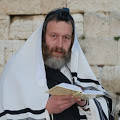 Rabbi David Azulai
Wisdom of Kabbalah & Mysticism Comments Off on The Wisdom of Kabbalah
Unlocking the Mystical Heart of Judaism
Kabbalah, often referred to as Jewish mysticism, is a profound spiritual tradition that has been an integral part of Jewish faith and culture for centuries. Rooted in ancient texts and oral teachings, Kabbalah seeks to unveil the hidden dimensions of God, the universe, and the soul. It provides mystical insights into the divine nature, human existence, and the path to spiritual enlightenment. This article explores the origins, core concepts, historical development, and significance of Kabbalah within the context of the Jewish religion.
Origins of Kabbalah
The origins of Kabbalah are both mystical and historical. While its exact inception remains shrouded in mystery, scholars trace its roots to early Jewish mystical traditions, with some of the earliest references appearing in biblical and Talmudic texts. However, Kabbalah as a distinct mystical system began to crystallize in the late medieval period, particularly in 12th and 13th-century Spain and Provence.
The foundational text of Kabbalah is the Zohar (The Book of Splendor), attributed to Rabbi Shimon bar Yochai, a 2nd-century rabbi may have been composed in the late 13th century by Rabbi Moses de León. The Zohar elaborates on the mystical interpretation of the Hebrew Bible and explores the divine realm’s intricate structure.
Core Concepts of Kabbalah
Kabbalah encompasses a wide array of ideas; however, several core concepts are central to understanding its mystical philosophy.
- Ein Sof – The Infinite Divine At the heart of Kabbalah is the concept of Ein Sof, the Infinite or limitless aspect of God. Ein Sof signifies that God is beyond all comprehension, transcendent, and unknowable in their purest form. The purpose of Kabbalistic study is to understand how divine energy manifests itself within the universe.
- Sefirot – The Divine Emanations One of the most distinctive features of Kabbalah is the Sefirot, ten divine emanations through which God interacts with the world. These are often depicted as interconnected spheres, representing different aspects of the divine, such as wisdom (Chochmah), understanding (Binah), mercy (Chesed), judgment (Gevurah), and others. The Sefirot serve as a map of the divine process and are central to understanding creation and spiritual development.
- Tzimtzum – Divine Contraction The idea of Tzimtzum describes God’s self-contraction to create space for the universe to exist. According to Kabbalists, this act of divine withdrawal allowed for a finite world to come into being within the infinite presence of Ein Sof. Without this divine concealment, creation would be impossible.
- Shevirat ha-Kelim – The Breaking of the Vessels Kabbalists believe that during creation, the vessels meant to contain divine light shattered (Shevirat ha-Kelim), scattering divine sparks throughout the world. This event led to the concentration of divine energy in concealed forms, which humans can work to uncover and elevate through spiritual practice.
- Tikkun – Restoration and Rectification The concept of Tikkun (repair) underscores the purpose of human life: to restore the broken vessels and unearth divine sparks. Through commandments (mitzvot), ethical conduct, prayer, and study, Jews participate in the ongoing process of cosmic correction.
Historical Development of Kabbalah
Kabbalah’s historical development can be divided into several phases:
- Early Mystical Traditions: Early Jewish mysticism appeared in the biblical era and the Talmudic period, albeit largely esoteric and oral.
- Medieval Kabbalah: The 12th to 16th centuries marked the golden age of Kabbalistic development with influential texts like the Zohar and teachings from Jewish communities in Spain and Provence.
- Lurianic Kabbalah: The 16th-century mystic Rabbi Isaac Luria revolutionized Kabbalistic thought. His teachings emphasized cosmic restoration and the role of human agency in repairing the world (Tikkun Olam). Lurianic Kabbalah introduced complex ideas such as the Shevirat ha-Kelim and the Partzufim (divine personas).
- Modern Day: Today, Kabbalah continues to evolve, integrating into mainstream Jewish practice and philosophy. Various schools and interpretations exist, from traditionalist to more mystical and spiritual approaches.
Kabbalah within Jewish Practice
Kabbalistic concepts permeate many aspects of Jewish religious life, shaping rituals, holidays, and everyday practices. For example, the mystical interpretation of the Passover seder involves uncovering divine sparks and performing acts that elevate spiritual energy. Similarly, the Jewish holiday of Shavuot is associated with receiving the Torah’s divine wisdom, often explored through Kabbalistic symbolism.
Kabbalah and Jewish Texts
Apart from the Zohar, numerous other texts delve into Kabbalistic thought, including Sefer Yetzirah (Book of Formation), one of the earliest Kabbalistic works, which explores the creation of the universe through the Hebrew alphabet and mystical attributes. The Sefer HaBahir (Book of Brightness), another foundational text, offers symbolic teachings that expand upon the divine emanations.
Throughout history, kabbalists also engaged in intricate commentaries on the Torah, unveiling hidden meanings behind biblical verses and commandments. This approach fosters a deeper spiritual connection and a mystical understanding of the Jewish law (Halakha).
Ethical and Philosophical Dimensions
Kabbalah emphasizes ethical conduct and the intention behind actions. The mystical teachings encourage Jews to lead morally upright lives, believing that personal spiritual growth contributes to the divine rectification of the universe. Concepts like Lekhah Dodi (Come, my beloved) reflect the mystical anticipation for the divine presence to dwell within the world.
Philosophically, Kabbalah offers explanations regarding the nature of evil, the purpose of suffering, and the existence of free will. It teaches that even negative aspects of life serve a higher purpose in the divine plan, provided humans engage in spiritual rectification.
Contemporary Significance and Challenges
In recent decades, Kabbalah has gained widespread popularity, extending beyond scholarly and religious circles into mainstream culture, often marketed as a method for personal spiritual development. Notable figures and organizations have popularized it, leading to debates within the Jewish community about authenticity and appropriate practice.
Some traditional scholars caution that superficial or commercialized interpretations of Kabbalah risk distorting its sacred messages, which require a solid grounding in Jewish law and theology. Nonetheless, many adherents find that Kabbalah provides profound insights into their faith, offering a mystical pathway to understanding God’s unity and the purpose of creation.
Kabbalah as a Personal and Collective Spiritual Journey
At its core, Kabbalah invites Jews to see themselves as active participants in the divine process. It emphasizes that each person holds the potential to elevate divine sparks, restore harmony, and bring spiritual light into the world. This alignment of personal responsibility with cosmic purpose underscores the importance of ongoing spiritual education, prayer, charity, and adherence to mitzvot.
Furthermore, Kabbalistic meditation techniques and mystical rituals serve as tools for connecting with the divine presence (Shechinah) and deepening one’s relationship with God. These practices foster a sense of divine immediacy and inspire a sacred outlook on daily life.
Kabbalah remains one of the most profound expressions of Jewish spirituality. Its teachings reveal a universe filled with divine energy, interconnected through mystical spheres and emanations that underscore the divine’s immanence within the world. While complex and esoteric, Kabbalah’s ultimate aim is to guide Jews towards a deeper awareness of God’s unity, the divine origin of the universe, and their role in the ongoing process of spiritual repair.
As a mystical dimension of Judaism, Kabbalah offers a path for seekers to explore the hidden realms of divine mystery, fostering both individual enlightenment and collective rectification. Its rich heritage continues to inspire, challenge, and transform those committed to understanding the sacred depths within their faith.
Rabbi David Azulai @ January 25, 2026
Order Protection Talisman Now